Food & Beverage
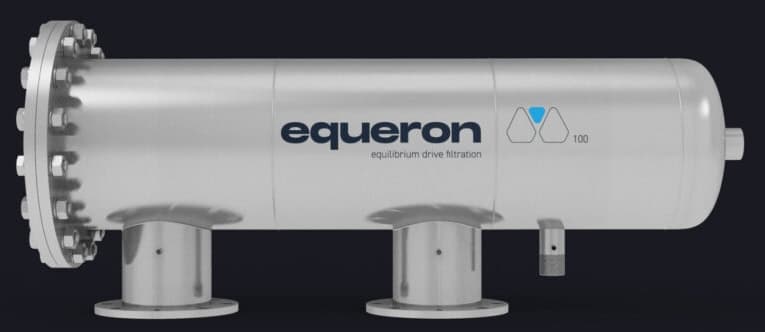
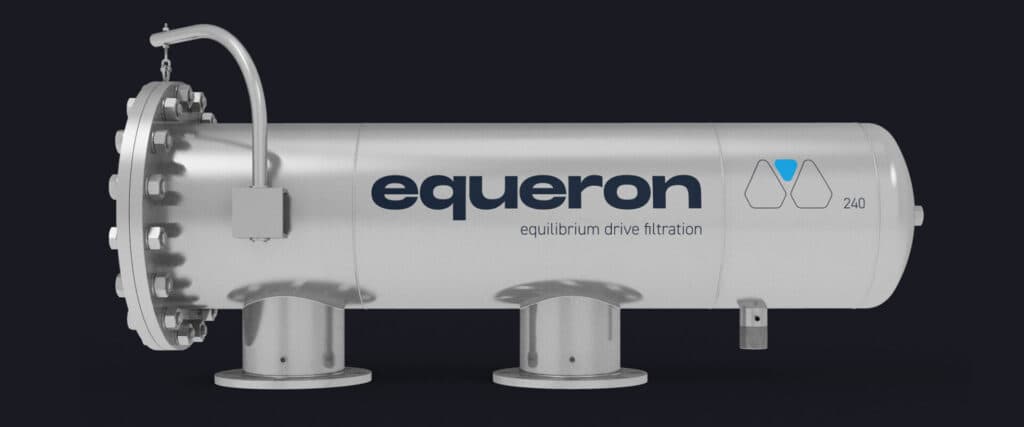
Self-cleaning filtration for food and beverage wash water and utility water where solids control supports consistent processing.
When dealing with Food & Beverage, there are many water quality issues that must be addressed through filtration.
- Food and beverage facilities can introduce sediment, organic debris, and process solids into wash water and utility water streams.
- Particulates can clog spray nozzles, foul heat exchangers, and increase manual cleaning requirements.
- Consumable filter systems can add recurring labor and disposal costs.
Conditions, Contaminants, and Considerations
Water sources may vary, but the primary water sources for Food & Beverage filtration are:
- Wash water
- Process water
- Utility water
- Cooling water
In this application, water is usually filtered within the 50-500 micron range to remove contaminants like:
- Sediment
- Organic solids
- Fibers
- Scale
- Process debris
Due to these constraints, certain design considerations must be made to accommodate variables that can interfere with the filtration process. Factors such as Sanitation requirements, Water source, Solids type, Micron rating, Flow rate, and Cleaning and maintenance access must be accounted for to ensure reliable and efficient water filtration.
Benefits
Filtering the water before industrial or commercial use:
- Protects nozzles, valves, pumps, and downstream equipment.
- Reduces manual maintenance compared with disposable filtration.
- Supports consistent water quality for industrial food and beverage operations.
Relevant FAQs
Does the filter waste a lot of water while cleaning itself?
No, because of how quickly the filter cleans itself. Typical backwash water volume is as little as 10 gallons.